Sewer Line Replacement in Brea, CA.
When a sewer line is too deteriorated for a spot repair to hold, full replacement is the honest recommendation.
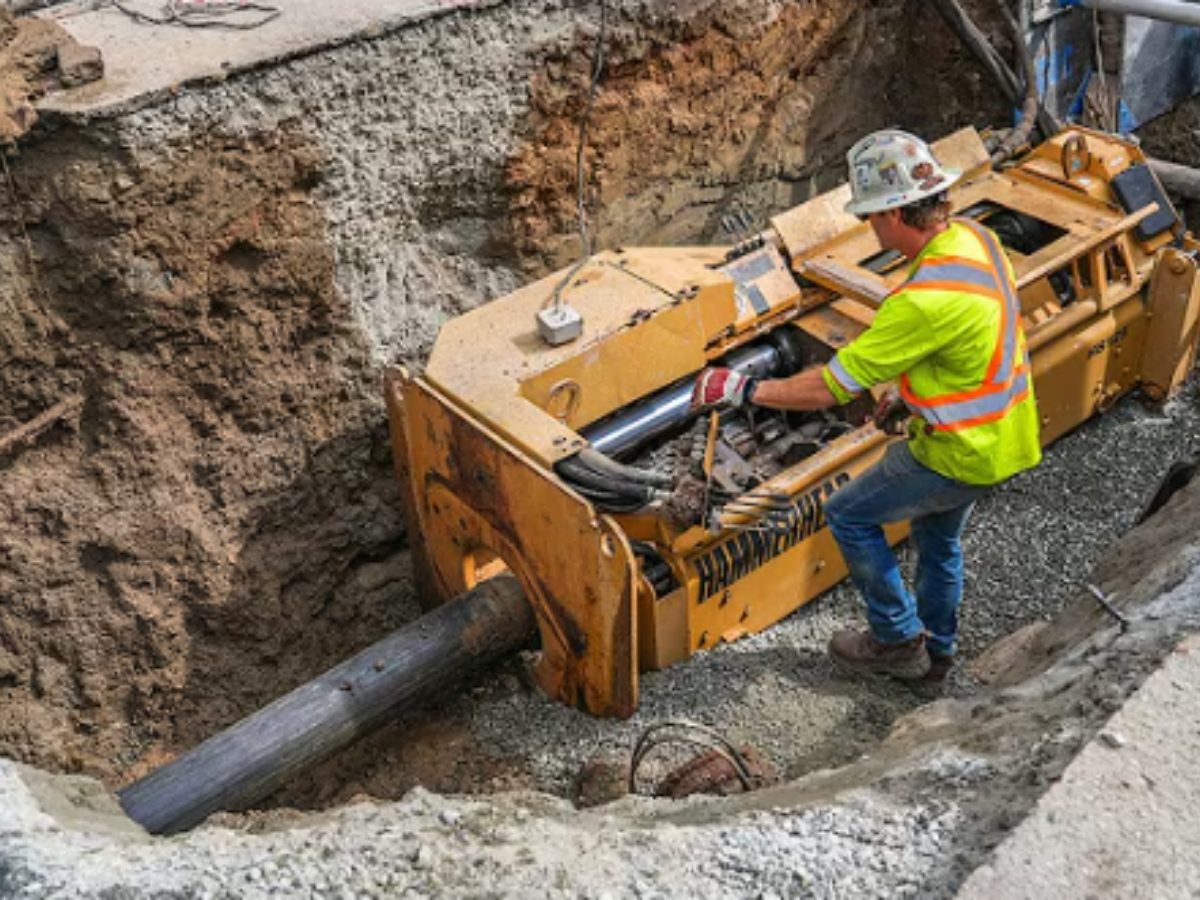
When a sewer line is too deteriorated for a spot repair to hold, full replacement is the honest recommendation. We handle both trenchless pipe bursting, which avoids a full trench dig, and traditional open-trench replacement when the site requires it. We also coordinate any required city permits and inspections as part of the project, so you're not managing that process separately while the work is underway.
Local Cause.
The oldest sections of Brea, particularly properties near the original downtown core that predate the 1960s-70s tract expansion, are the most likely candidates for a line that's failed broadly rather than at one repairable spot, given the age of the original clay or cast-iron pipe.
Country Road's 1977 townhome community shares common sewer infrastructure in some sections, which means a full replacement there sometimes needs coordination with the HOA before work can start, worth flagging early rather than after a quote is issued.
Symptoms.
- Repeated sewer backups despite prior repairs.
- Multiple collapsed or offset sections on camera inspection.
- Persistent root intrusion across the line's length.
- Sewage odor that returns after repair.
How we diagnose it: A full camera inspection maps the condition of the entire line before we recommend trenchless pipe bursting, which pulls a new pipe through the old one's path, versus traditional excavation, which is sometimes unavoidable depending on existing landscaping and utility conflicts. We also verify the new line's slope and connection points meet current code during installation, not just at final inspection.
Repair Approaches.
Trenchless pipe bursting.
Replaces the line with minimal surface disruption, the preferred method where site access allows it.
Open-trench replacement.
Sometimes necessary when utility conflicts or line depth make trenchless methods impractical.
On The Visit.
After the camera inspection confirms full-line replacement is the right call, we'll walk you through trenchless versus open-trench options for your specific property layout and utility locations. We coordinate any needed permits, and once the new line is in, we camera-inspect and pressure-test it before backfilling or restoring the surface.
Emergency Call or Schedule It?.
This is typically a scheduled project rather than a same-day emergency, planned after camera inspection findings, unless you're also experiencing active sewage backup, in which case call immediately and we'll address the immediate backup before scoping the full replacement. Either way, call (714) 750-8637 and we'll tell you honestly which one applies.
What Sewer Line Replacement Typically Costs.
Every job gets a firm price before work begins. Most homeowner insurance policies only cover water damage from a sudden, accidental event, not gradual wear, ask your insurer about your specific policy.
What affects your price:
- Trenchless versus open-trench method, trenchless is typically less disruptive but requires good soil access.
- Total line length being replaced.
- Depth of the line.
- Landscaping, driveway, or hardscape restoration after excavation.
FAQs.
Full replacement is a significant job, and we won't recommend it unless a camera inspection actually supports it over a repair. Ask us to show you the footage. If you're also selling the home, a documented sewer line replacement can be a meaningful point in the sale rather than an unresolved disclosure item. We stand behind the completed work with our standard workmanship warranty on the new line. If a camera inspection shows the damage is limited to one section, sewer line repair may be the less invasive option. This is most common in the oldest parts of Downtown Brea, where original clay and cast-iron lines are reaching the end of their service life.
Parts and labor on completed sewer line replacement work are covered under our standard workmanship warranty, and every job gets a firm, written price before we start, not an estimate that changes once the work is underway.
All repairs are performed to the standards of the California Plumbing Code (based on the Uniform Plumbing Code, UPC).