Backflow Testing & Prevention in Brea, CA.
Backflow prevention devices keep contaminated water from flowing back into the clean water supply, and many are required by code for irrigation systems and certain commercial connections.
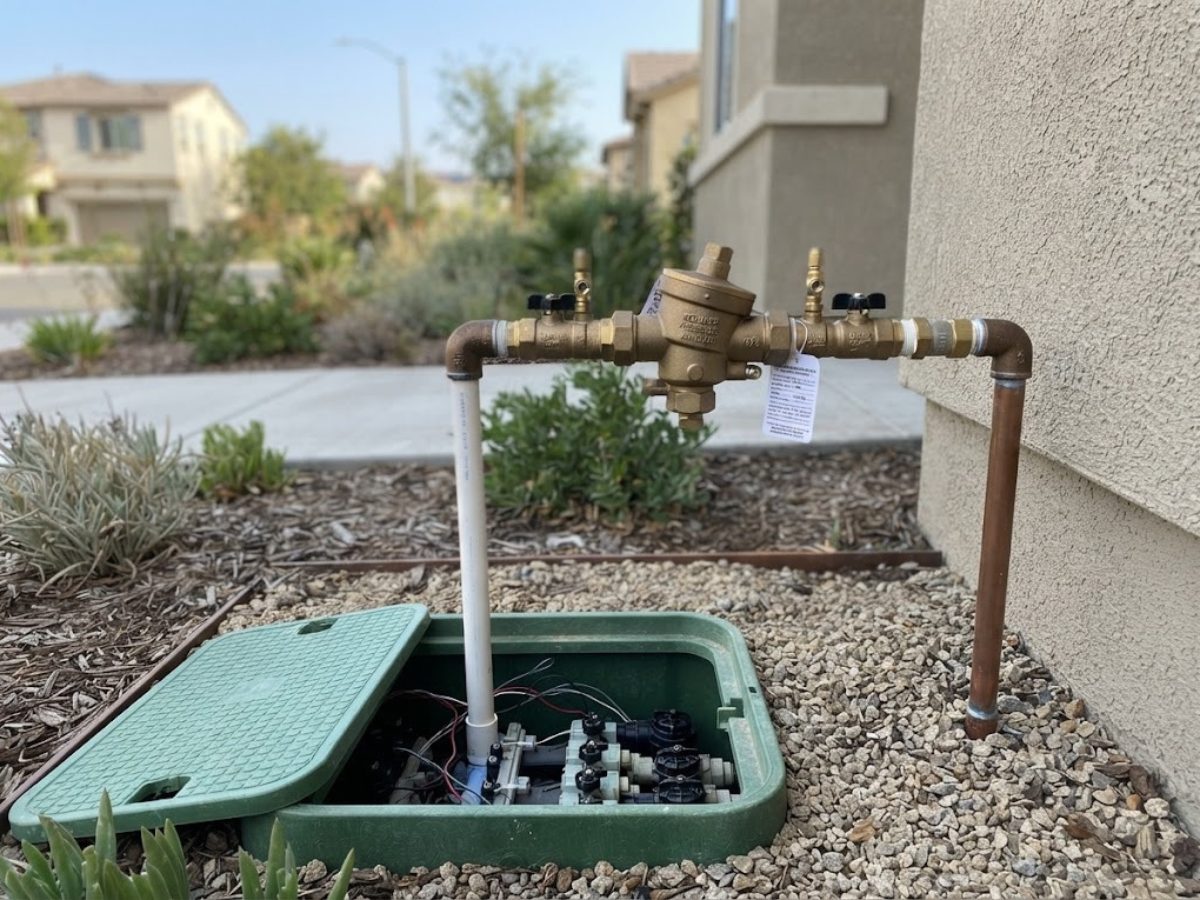
Backflow prevention devices keep contaminated water from flowing back into the clean water supply, and many are required by code for irrigation systems and certain commercial connections. We test, certify, and install backflow prevention devices. We keep a record of your device's testing history, which makes future annual compliance faster since we already know the device model and its prior results.
Local Cause.
Properties in Brea with irrigation systems, particularly in the hillside developments and larger-lot neighborhoods like Olinda Village and Brea Hills, are the most likely to have a backflow device requiring annual testing under local water agency rules.
Brea Hills properties with elaborate multi-zone irrigation systems sometimes have more than one backflow device on the property, which affects both the testing time and the total cost.
Symptoms.
- Annual testing notice from your water provider.
- Discolored or unusual-tasting water.
- New irrigation system installation requiring a device.
- Failed test on a prior inspection.
How we diagnose it: We test the device under the required pressure conditions, document the results for submission to the water agency, and repair or replace the device on the spot if it fails.
Repair Approaches.
Annual testing.
Required for most irrigation and certain commercial connections; we handle the paperwork submission.
Device repair/replacement.
When a device fails testing or has a worn seal.
New installation.
For a new irrigation system or a property that doesn't currently have one.
Do You Actually Need Backflow Testing?.
If your property has an irrigation system or certain commercial water connections, your water provider likely requires annual testing and will send a notice. Residential homes without irrigation systems usually don't need this. If you're unsure, check for a backflow device near your irrigation valve or main shutoff, or ask us to check during a service call.
On The Visit.
Testing takes place under the pressure conditions your water provider requires, and we document the results in the format needed for submission. If a device fails, we can often repair or replace it on the spot and resubmit passing results the same day, avoiding a return trip and a compliance gap with your provider.
Emergency Call or Schedule It?.
Routine annual testing is never urgent and can be scheduled at your convenience within your provider's compliance window. A failed test that puts your water service at risk of restriction is worth prompt rescheduling. Either way, call (714) 750-8637 and we'll tell you honestly which one applies.
What Backflow Testing & Prevention Typically Costs.
Every job gets a firm price before work begins. Most homeowner insurance policies only cover water damage from a sudden, accidental event, not gradual wear, ask your insurer about your specific policy.
What affects your price:
- Number of devices on the property.
- Testing versus repair or full device replacement.
- Whether documentation needs to be resubmitted after a failed test.
- New installation for a property that doesn't currently have a device.
FAQs.
If you've received a testing notice from your water provider, we can usually schedule and complete it within the same week. If you're not sure whether your property has a backflow device or needs testing, we can check during any other service visit at no extra trip. Backflow devices are common alongside irrigation systems, which is also where we see the most hose bib and outdoor faucet service calls. This applies most often to larger-lot properties in Olinda Village and the Brea Hills.
Parts and labor on completed backflow testing & prevention work are covered under our standard workmanship warranty, and every job gets a firm, written price before we start, not an estimate that changes once the work is underway.
All repairs are performed to the standards of the California Plumbing Code (based on the Uniform Plumbing Code, UPC).